

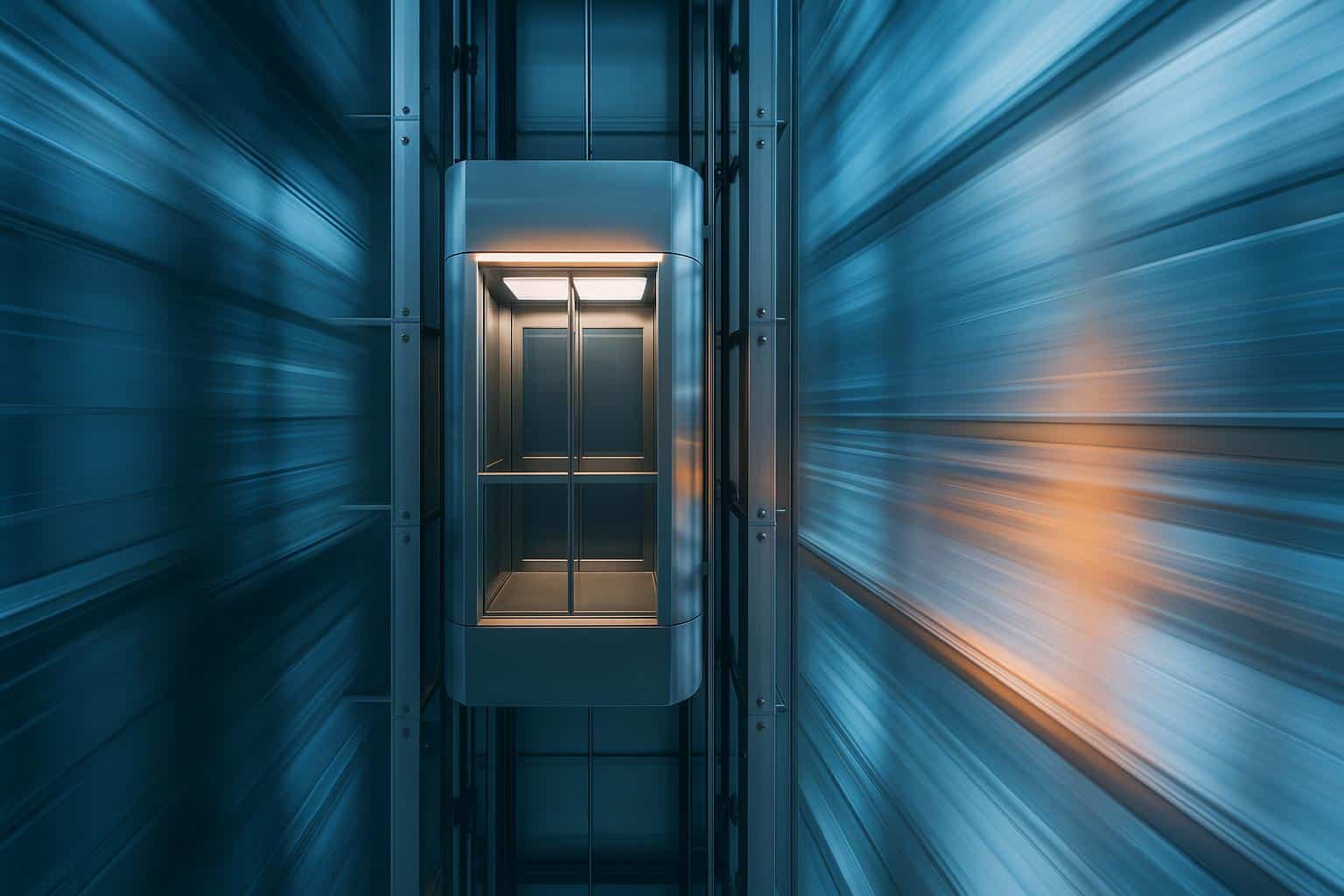
Elevators are an essential part of modern buildings, quietly moving people and goods between floors hundreds of times each day. In high-rise office towers, hospitals, apartment complexes and shopping centres, lift performance directly affects efficiency, safety and the overall user experience. One of the most common questions property owners and building managers ask is: what determines how fast a lift can travel?
While elevator speed might seem straightforward, it is actually the result of several interconnected factors. Advances in engineering, control systems and building design continue to push the limits of performance, particularly with the latest elevator technology in Australia helping modern lifts achieve faster travel times while maintaining strict safety standards.
Understanding what influences lift speed can help building owners choose the right system for their property and ensure smooth, efficient vertical transportation.
Why Elevator Speed Matters
Lift speed is not just about convenience. In busy commercial buildings, transport efficiency can influence productivity, crowd flow and even tenant satisfaction. Slow elevators can lead to congestion in lobbies and long wait times during peak hours.
For residential buildings, efficient lift systems contribute to comfort and practicality, particularly in high-rise developments where residents rely on lifts multiple times each day.
In healthcare environments, lift speed can also affect operational efficiency. Hospitals often require specialised lifts capable of transporting patients, equipment and staff quickly between floors.
Ultimately, elevator speed plays a key role in how well a building functions.
Building Height and Travel Distance
One of the most important factors influencing lift speed is the height of the building.
In shorter buildings such as three- or four-storey offices, elevators do not need to travel particularly fast. Lower speeds are often sufficient because the travel distance between floors is minimal.
However, as buildings become taller, lift speed must increase to keep travel times reasonable. High-rise buildings may require lifts capable of travelling several metres per second to move passengers efficiently between floors.
For example:
- Low-rise buildings: typically slower lift speeds
- Mid-rise buildings: moderate speeds for efficient vertical travel
- High-rise buildings: high-speed elevators designed for rapid movement
Without faster lift systems in tall buildings, travel times would become impractical.
Elevator Drive System
The type of drive system used in an elevator significantly affects its speed.
Hydraulic Lifts
Hydraulic lifts are commonly used in low-rise buildings. They rely on hydraulic pistons that push the lift car upward. While reliable and cost-effective, hydraulic systems generally operate at slower speeds. They are best suited for buildings with fewer floors.
Traction Lifts
Traction elevators use cables and counterweights powered by electric motors. These systems are capable of much higher speeds and are commonly installed in mid-rise and high-rise buildings. Traction lifts are also more energy efficient and offer smoother travel compared to hydraulic alternatives.
Machine-Room-Less (MRL) Systems
Modern machine-room-less lifts use compact motors and advanced technology to deliver efficient performance without requiring a dedicated machine room. MRL systems are increasingly popular in contemporary buildings due to their space efficiency and performance capabilities.
Motor Power and Engineering Design
Lift speed is also determined by the strength and capability of the motor powering the system. More powerful motors allow lifts to accelerate quickly and maintain higher travel speeds between floors. However, motor power must be carefully balanced with other design elements to ensure safety and smooth operation.
Advanced engineering ensures that lifts can reach high speeds while remaining stable, quiet and comfortable for passengers. Key design considerations include:
- Motor size and efficiency
- Cable and pulley systems
- Counterweight balance
- Structural stability of the lift shaft
These components must work together seamlessly to achieve optimal performance.
Lift Control Systems and Smart Technology
Modern elevator systems rely heavily on intelligent control software. Advanced control systems help manage lift traffic, determine the most efficient travel paths and minimise waiting times for passengers.
In large commercial buildings, destination control systems can significantly improve efficiency by grouping passengers travelling to similar floors. This reduces unnecessary stops and improves travel speed overall. Smart technology can also monitor lift performance in real time, helping maintenance teams identify issues before they affect service.
Passenger Load and Capacity
The number of passengers or the weight carried by a lift also affects its speed. Every lift has a maximum rated load capacity. While lifts are designed to maintain consistent performance under normal operating conditions, heavier loads can slightly influence acceleration and travel time.
Passenger capacity is therefore an important design factor when determining the appropriate lift system for a building. High-traffic buildings such as shopping centres, hotels and office towers often require lifts with larger capacity to handle peak demand efficiently.
Safety Regulations and Speed Limits
Although technology continues to advance, lift speed is always governed by strict safety regulations. Elevator systems must comply with national safety standards that regulate maximum speeds, braking systems and emergency procedures. These standards ensure that lifts operate safely regardless of how advanced the technology becomes.
Safety features commonly include:
- Emergency braking systems
- Speed governors that prevent excessive acceleration
- Backup power systems
- Advanced sensors and monitoring systems
These measures ensure that lifts remain safe even when operating at higher speeds.
Ride Comfort and Passenger Experience
Interestingly, the fastest lift is not always the best solution for every building.
Passenger comfort plays an important role in elevator design. Rapid acceleration or abrupt stops can make lift journeys uncomfortable. Modern lifts therefore use advanced control systems that carefully manage acceleration and deceleration. This ensures a smooth ride even at higher speeds. Noise reduction, vibration control and smooth door operation also contribute to a better overall passenger experience.
The Future of High-Speed Elevators
The future of elevator technology is focused on greater efficiency, smarter traffic management and even faster travel speeds. Innovations currently shaping the industry include:
- AI-powered traffic management systems
- Predictive maintenance using real-time monitoring
- Energy-efficient regenerative drives
- Advanced materials that reduce system weight
- Ultra-high-speed lifts designed for super-tall buildings
These developments will continue to improve how lifts operate in increasingly complex building environments.
Choosing the Right Elevator System
Selecting the right lift for a building requires careful planning and consideration. Building height, passenger demand, energy efficiency and available space all influence the final system design.
Working with experienced lift specialists ensures that the chosen system delivers the right balance of speed, safety and performance.
As building design continues to evolve, elevator technology will remain a critical component of efficient urban infrastructure. Understanding what determines lift speed helps building owners make informed decisions that improve both functionality and user experience.
