

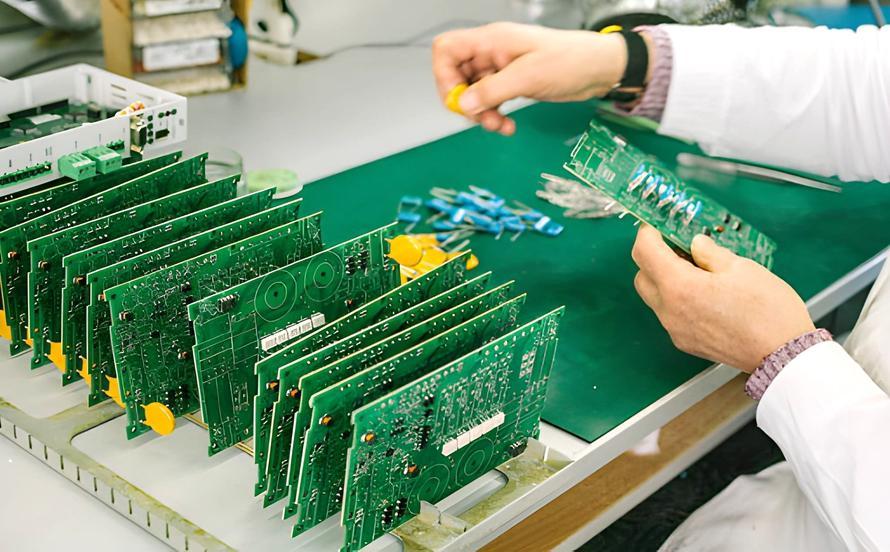
The medical electronics industry depends on highly reliable and precise electronic systems that directly impact patient safety and healthcare outcomes. From diagnostic imaging equipment and patient monitoring systems to wearable medical devices and implantable electronics, printed circuit boards are at the core of modern medical technology. This makes medical PCB assembly one of the most demanding and regulated areas of electronics manufacturing.
Unlike consumer electronics, medical devices must meet strict quality, safety, and regulatory requirements while maintaining long-term reliability. At the same time, manufacturers are under pressure to control costs and accelerate product development. As a result, many companies choose PCB assembly in China to balance high-quality manufacturing with cost efficiency and scalable production capabilities.
What Is Medical PCB Assembly?
Medical PCB assembly refers to the manufacturing and population of printed circuit boards used in medical devices and healthcare equipment. These assemblies must perform consistently in critical environments where failure can compromise patient safety. Medical PCBs are commonly used in diagnostic devices, therapeutic equipment, monitoring systems, laboratory instruments, and portable healthcare electronics.
Medical PCB assembly differs from standard PCB assembly in several ways. It requires strict adherence to regulatory standards, extensive documentation, and traceability throughout the manufacturing process. Components must be carefully selected for reliability, biocompatibility where applicable, and long-term performance. Manufacturing processes are closely controlled to minimize defects and ensure consistent quality across production batches.
Regulatory Standards and Compliance
Compliance with international standards is a core requirement in medical PCB assembly. Regulations such as ISO 13485 define quality management systems for medical device manufacturing, ensuring that products meet safety and performance requirements. IPC standards, including IPC-A-610 Class 2 and Class 3, provide guidelines for acceptable soldering and assembly quality depending on the device’s criticality.
Medical device manufacturers must also comply with regional regulatory requirements such as FDA guidelines in the United States and CE marking requirements in Europe. These regulations demand comprehensive documentation, process validation, and full traceability of materials and components. As a result, PCB assembly partners must maintain rigorous quality control systems and provide detailed manufacturing records.
Materials and Components for Medical PCB Assembly
Material selection is a key factor in ensuring the reliability of medical electronics. High-quality laminates such as advanced FR-4 or polyimide are commonly used due to their thermal stability and electrical performance. For devices exposed to sterilization processes or harsh operating conditions, materials with higher temperature resistance and chemical stability are often required.
Surface finishes such as ENIG are widely used in medical PCB assembly because they provide excellent solderability and corrosion resistance. Medical-grade components are selected for their reliability, extended lifecycle, and compliance with safety standards. In certain applications, biocompatible materials and coatings may be necessary to ensure patient safety.
Conformal coatings are also commonly applied to medical PCB assemblies to protect against moisture, dust, and chemical exposure. These coatings enhance durability and help ensure consistent performance in demanding healthcare environments.
Medical PCB Assembly Process
The medical PCB assembly process involves multiple controlled stages designed to ensure accuracy, cleanliness, and reliability. It begins with design review and verification, where manufacturers perform design for manufacturability (DFM) and design for assembly (DFA) checks. These reviews help identify potential risks and ensure the design meets regulatory and performance requirements.
Component sourcing is another critical step. Reliable supply chains are essential to ensure the availability of genuine, high-quality components. Counterfeit components pose serious risks in medical devices, making supplier verification and component traceability a top priority.
Assembly typically involves advanced SMT processes combined with selective or manual soldering for through-hole components. Cleanroom or controlled manufacturing environments may be used for sensitive medical applications to minimize contamination risks.
Inspection and testing are extensive in medical PCB assembly. Automated optical inspection (AOI), X-ray inspection, in-circuit testing, and functional testing help identify defects at every stage of production. Process validation and statistical quality control methods are also used to ensure consistent results across production batches.
Applications of Medical PCB Assembly
Medical PCB assemblies are used across a wide range of healthcare applications. Diagnostic equipment such as MRI machines, CT scanners, and ultrasound systems rely on complex PCB assemblies for signal processing and imaging accuracy. Patient monitoring devices, including ECG, blood pressure monitors, and wearable health trackers, require compact and reliable PCB designs.
Therapeutic devices such as infusion pumps, ventilators, and surgical equipment also depend on high-quality medical PCB assemblies to deliver precise and consistent performance. In addition, laboratory instruments and point-of-care diagnostic devices rely on reliable PCB assemblies to provide accurate test results.
The increasing adoption of digital healthcare solutions and connected medical devices is further driving demand for advanced medical PCB assembly services.
Why Choose PCB Assembly in China?
China has become a global hub for electronics manufacturing, offering advanced infrastructure, skilled labor, and well-established supply chains. PCB assembly in China provides medical device manufacturers with access to high-volume production capabilities, advanced automation, and competitive pricing.
Chinese PCB assembly providers often invest in state-of-the-art equipment and quality systems to meet international medical standards. Many facilities are certified to ISO 13485 and IPC standards, making them capable of supporting medical device manufacturing for global markets.
Another advantage of PCB assembly in China is scalability. Manufacturers can start with low-volume pilot runs and scale up to mass production without changing suppliers, ensuring consistency and reducing supply chain complexity. Efficient logistics networks also support faster production cycles and global shipping.
Challenges and Risk Management
While PCB assembly in China offers many benefits, medical device manufacturers must carefully manage potential risks. Clear communication, thorough supplier audits, and well-defined quality agreements are essential to ensure compliance with regulatory requirements. Intellectual property protection, documentation transparency, and traceability systems should also be carefully evaluated when selecting a manufacturing partner.
Working with experienced partners who understand medical industry regulations and global compliance standards helps minimize these risks and ensures successful long-term collaboration.
Future Trends in Medical PCB Assembly
The medical electronics industry continues to evolve with advances in wearable technology, telemedicine, and smart healthcare systems. Miniaturization, high-density interconnect designs, and advanced packaging technologies are becoming increasingly important in medical PCB assembly. Automation and data-driven quality control systems are also improving manufacturing precision and consistency.
As demand for cost-effective yet high-quality manufacturing grows, PCB assembly in China is expected to remain a key part of the global medical electronics supply chain.
Conclusion
Medical PCB assembly requires strict quality control, regulatory compliance, and advanced manufacturing expertise to ensure patient safety and reliable device performance. With its mature electronics ecosystem, advanced production capabilities, and cost advantages, PCB assembly in China offers a practical and scalable solution for medical device manufacturers worldwide. By partnering with experienced and certified manufacturers, companies can achieve high-quality production, regulatory compliance, and long-term success in the competitive medical electronics market.
