

Nathan Halegua has spent decades building expertise in real estate investment and management, and his long tenure in overseeing property operations provides perspective on how structured environments shape visitor experience. Drawing from work that includes rehabilitation projects, green technology upgrades, and supervision of diverse holdings, he understands how layout, flow, and guest expectations influence behavior across many settings. In addition, his board service and academic background demonstrate a sustained commitment to organized, purpose driven spaces. As tasting rooms refine their design choices to guide visitor movement and engagement, these principles highlight how subtle cues can shape impressions even before service begins.
Signs That Shape the Tasting Room Experience
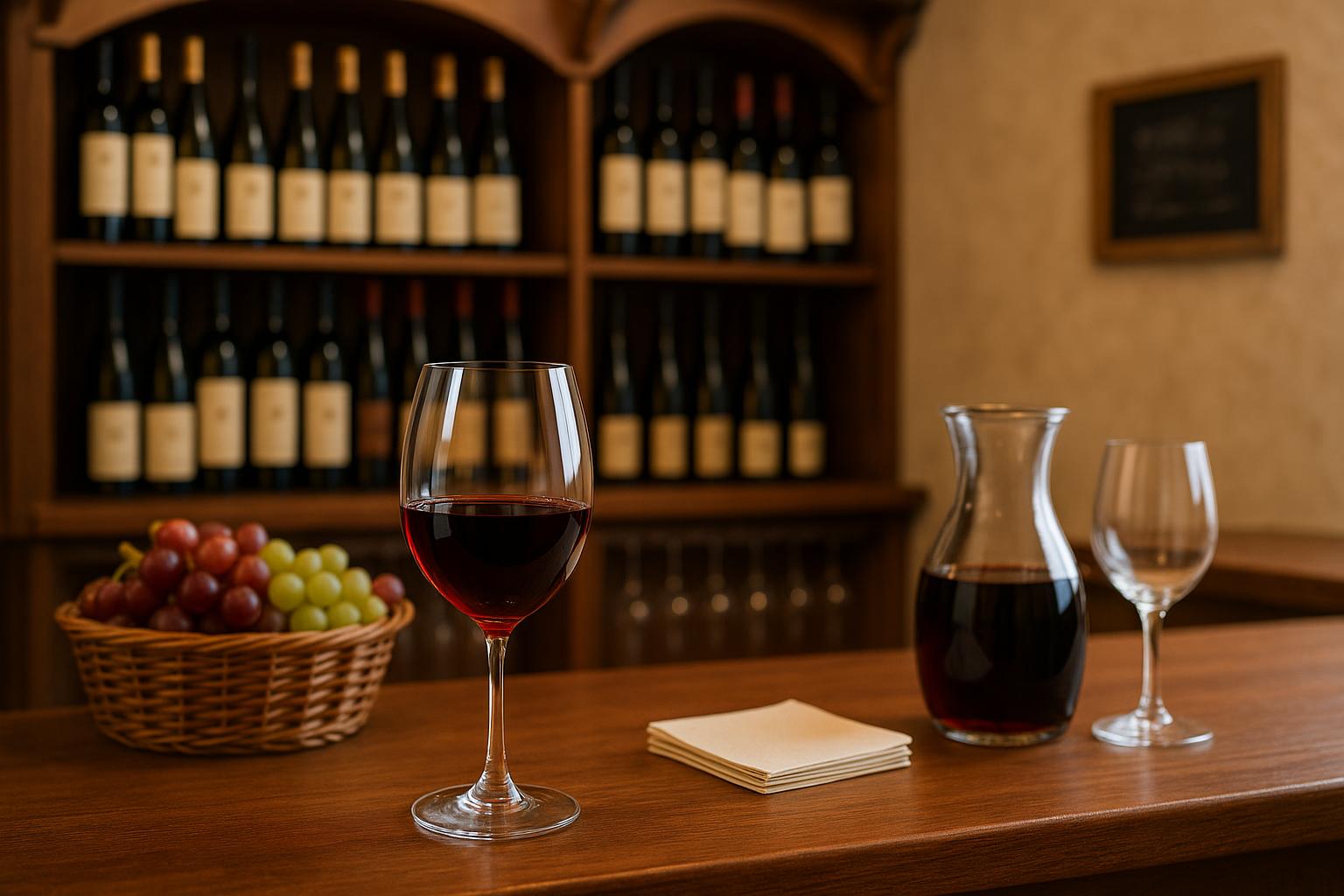
Tasting rooms often reveal more about their format before staff serve any wine than during the tasting itself. Booking details, visible layouts, and guest-handling procedures offer early clues about the visit’s structure. From entrance setup to printed materials, these signals help visitors anticipate whether they’re stepping into a guided tasting, a quick sampling stop, or a purchase-focused visit.
The combination of reservation policy and seating arrangement often signals how a winery paces visits. Many wineries now use reservations, especially at busy times, to support more structured sessions. Walk-in formats remain common in some regions and may favor quicker tastings. Furniture layout reinforces these differences: standing bars help manage steady walk-in flow, while spaced seating or clearly reserved tables suggest longer, more personalized sessions.
Group segmentation also shapes how the winery structures interaction between guests and staff. Policies for larger parties often require advance arrangements and may influence where groups are seated. Some rooms seat unrelated visitors at a shared bar, while others offer more separated areas for private parties. Practices vary by winery and region.
Many wineries signal their tasting format through printed menus or staff cues. Some tasting rooms offer written flight descriptions, while others rely on verbal explanations. Staff may guide each pour with brief commentary or deliver flights at once and return later. Because approaches differ, these cues serve as helpful hints rather than universal rules.
Wineries also set guest-conduct expectations through clear etiquette. Common guidance includes avoiding heavy perfume, using spit or dump buckets when sampling multiple wines, and pacing consumption. Most tasting rooms provide water, and guests can request a spit cup. Alcohol-service policies differ by venue, so visitors should follow posted rules and staff direction.
Lighting, background music, and ambient design choices also shape how guests interpret the tone of the visit. Softer lighting, low noise levels, and natural materials often indicate a more contemplative setting, encouraging guests to focus on aroma and texture. In contrast, bright lighting and louder atmospheres may signal social engagement or higher turnover. These sensory cues influence behavior even before staff serve the first wine, shaping whether guests lean toward focused evaluation or casual enjoyment.
The overall design and flow of the space can clarify purpose. Traffic patterns, seating placement, and display orientation affect comfort and pacing and may encourage either quick visits or longer stays. These are design choices, not fixed indicators of session length.
Tasting rooms also signal intent through pricing and service features. Tasting fees are common; some wineries waive or credit them with purchase, while others offer multiple options at different prices. Retail displays or wine-club materials near the register vary in prominence. Viewed together, these elements help frame whether the experience feels more transactional, more educational, or a mix of both.
Wineries often use path design and simple wayfinding to coordinate movement. A marked starting point, check-in desk, or directional signs help visitors understand where to begin or which areas are reserved. Where signage is limited, staff typically guide guests, and a more informal, self-paced flow may take over.
Over time, wineries that treat these signals as deliberate design tools can adjust more quickly as visitor expectations change. By testing small changes to reservation policies, layout, or signage and tracking how guests move, ask questions, and purchase, they generate concrete feedback for future renovations and staffing. Using tasting room cues this way turns each season’s traffic into practical guidance on how to welcome visitors, manage capacity, and support responsible enjoyment.
About Nathan Halegua
Nathan Halegua is an experienced real estate investor with nearly five decades in residential and commercial property management. His work spans acquisition, financing, renovation oversight, and the integration of green technology upgrades across varied holdings. He serves on the Board of Jewish Studies at Queens College and on the board of the Alzheimer’s Foundation of America. Educated at Queens College and Michigan State University, he maintains long standing professional interests in investment syndication, property development, and responsible portfolio growth.
